
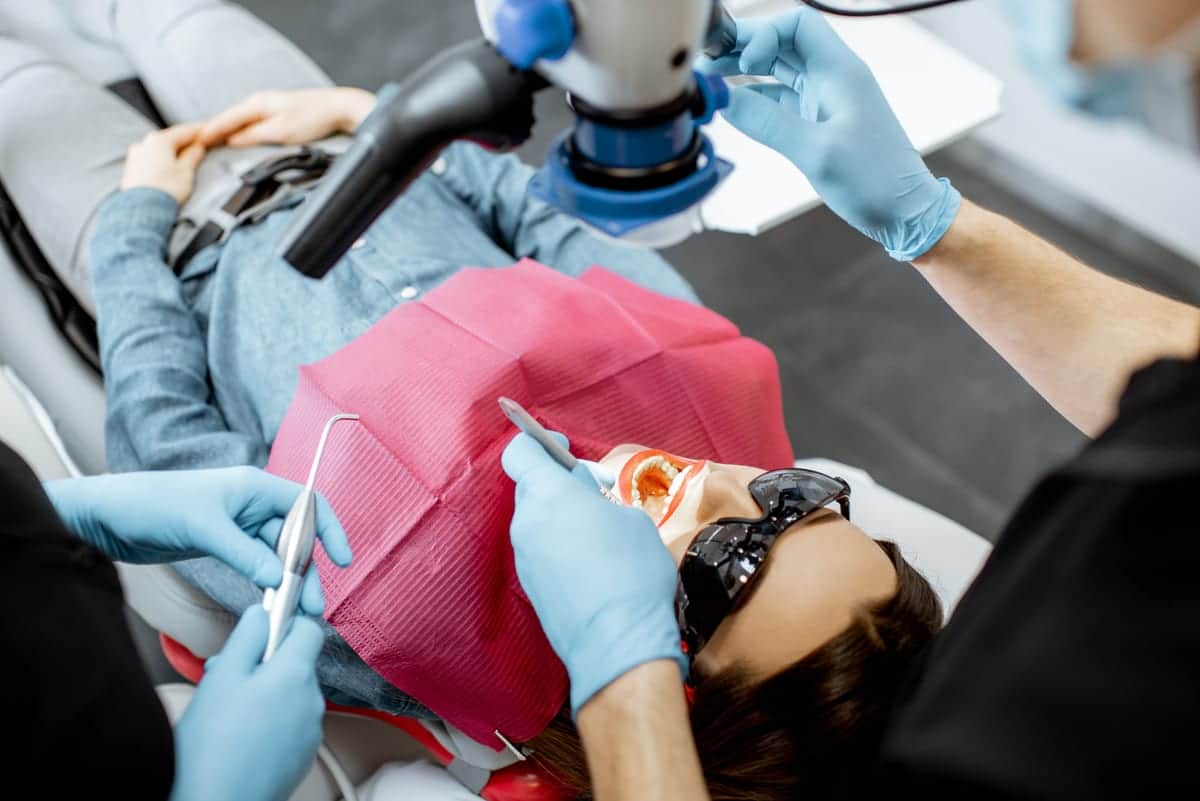
If the words “root canal” make you nervous, you are far from alone. Root canal treatment has one of the worst reputations in dentistry — yet much of that reputation is built entirely on myth. Patients in Roswell and across the country put off this important procedure because of stories they have heard from friends, scary scenes in movies, or outdated information from decades past. The truth is that modern Root Canal Treatment Roswell patients receive is a routine, highly effective procedure that relieves pain rather than causes it. Today we are going to set the record straight, debunk the most common misconceptions, and help you walk into your next dental appointment with confidence.
Myth #1: Root Canals Are Extremely Painful
This is by far the most widespread myth surrounding root canal therapy, and it could not be further from the truth. The idea that root canals are unbearably painful likely dates back to a time before modern anesthesia and advanced dental technology. Today, dentists use highly effective local anesthesia to completely numb the treatment area before starting the procedure. Most patients report that the experience feels very similar to getting a routine dental filling.
Here is the key point that people often get backwards: it is not the root canal treatment that causes pain — it is the infected tooth that causes pain. By the time many patients seek Root Canal Treatment Roswell dentists perform, they are already experiencing significant discomfort from a severely infected or inflamed pulp. The root canal procedure actually eliminates that source of pain. Patients typically feel immediate relief once the infection is removed and the tooth is properly sealed.
Modern endodontic techniques, precision instruments, and superior numbing agents mean that the overwhelming majority of patients are comfortable throughout the entire procedure. Post-treatment soreness may occur for a day or two, but it is easily managed with over-the-counter pain relievers and typically subsides quickly.
Myth #2: It Is Better to Just Pull the Tooth
Some patients believe that extracting a damaged or infected tooth is a simpler, cheaper, or better solution than saving it with a root canal. While tooth extraction does have its place in dentistry, preserving your natural tooth whenever possible is almost always the preferred course of action — and here is why.
Your natural teeth are irreplaceable in the truest sense. Losing a tooth sets off a chain of consequences that can affect your oral health for years to come. Consider what can happen after an extraction:
- Neighboring teeth can shift into the gap, causing misalignment and bite problems.
- The jawbone in the empty space begins to lose density due to lack of stimulation, which can change the shape of your face over time.
- Chewing and speaking may become more difficult, impacting your daily quality of life.
- Replacing the missing tooth with a bridge or implant involves additional procedures and costs that often exceed the price of a root canal and crown.
A successful root canal allows you to keep your natural tooth, maintain normal biting force and sensation, and protect surrounding teeth from excessive wear. The goal of dentistry is always to preserve what nature gave you, and root canal therapy is one of the most powerful tools available to accomplish that goal.
Myth #3: Root Canals Cause Illness or Other Health Problems
One of the most harmful myths circulating online is the claim that root canals can cause systemic illness, cancer, or other serious health conditions. This theory traces back to poorly conducted research from the early twentieth century that has long since been thoroughly debunked by modern science and medical research.
The American Association of Endodontists and every major dental and medical organization agree: there is no credible scientific evidence linking root canal treatment to disease anywhere else in the body. On the contrary, leaving a severely infected tooth untreated is what poses a genuine health risk. A dental infection left unchecked can spread to the jaw, neck, and in serious cases, even the bloodstream — a condition called sepsis that is genuinely life-threatening.
Root canal therapy removes infected pulp tissue, cleans the canals with antimicrobial solutions, and seals the tooth to prevent further bacterial growth. It is a treatment designed to stop infection, not spread it. If you have come across alarming claims about root canals and systemic health online, please consult with a qualified dental professional rather than relying on unverified sources.
At Maupin and Brown Dentistry, our team is always happy to answer your questions honestly and help you understand your treatment options so you can make an informed, confident decision about your oral health.
Myth #4: Root Canals Require Multiple Long, Difficult Appointments
Another common fear is that root canal treatment is a lengthy ordeal that requires endless trips to the dental office and takes weeks to complete. While more complex cases may occasionally require two appointments, many root canals are completed in a single visit that lasts between sixty and ninety minutes. That is comparable to having several fillings done at once.
Thanks to advances in digital imaging, rotary endodontic instruments, and biocompatible filling materials, the entire process has become far more streamlined and efficient than it was even twenty years ago. Your Roswell dentist will take detailed X-rays or cone beam scans to map the anatomy of your tooth’s root system before beginning. This planning helps the procedure go smoothly and accurately.
After the root canal itself is complete, you will typically return for a follow-up appointment to have a dental crown placed over the treated tooth. The crown restores the tooth’s full strength, function, and appearance. This final step is an important part of long-term success, as it protects the treated tooth from fracturing under normal chewing pressure.
Myth #5: You Only Need a Root Canal If Your Tooth Hurts
Pain is a common symptom of pulp infection, but it is not the only one — and sometimes there is no pain at all. In some cases, the nerve inside the tooth dies gradually, eliminating the pain signal while the infection continues to spread silently at the root tip. This is why regular dental examinations and X-rays are so important.
Signs that you may need Root Canal Treatment Roswell dentists look for include:
- Prolonged sensitivity to heat or cold that lingers after the source is removed.
- Darkening or discoloration of the tooth.
- A small pimple-like bump on the gum near the affected tooth.
- Swelling or tenderness in the gum tissue surrounding a specific tooth.
- Deep decay or a large cavity that has reached the inner pulp of the tooth.
Do not wait for severe pain to seek an evaluation. Catching an infected tooth early with routine checkups means treatment is typically simpler, faster, and more comfortable for everyone involved.
What to Expect During Root Canal Treatment in Roswell
Understanding exactly what happens during a root canal can go a long way toward easing anxiety. First, your dentist will thoroughly numb the area with local anesthetic, ensuring you feel nothing during the procedure. A small protective sheet called a dental dam is placed around the tooth to keep the area clean and dry.
Using precision instruments, your dentist creates a small opening in the crown of the tooth to access the pulp chamber and root canals. The infected or damaged pulp tissue is carefully removed, and the canals are shaped and cleaned with antibacterial solutions. Once completely clean, the canals are filled with a biocompatible rubber-like material called gutta-percha and sealed. A temporary or permanent filling closes the access point, and in most cases a crown is later placed to restore the tooth completely.
Recovery is straightforward. Most patients return to normal activities the very next day. A little tenderness around the treated area is normal and fades quickly. Root canal therapy has an impressive long-term success rate, and a properly restored tooth can last a lifetime with good oral hygiene and regular dental visits.
Frequently Asked Questions
How do I know if I need a root canal?
Common signs include persistent tooth pain, prolonged sensitivity to temperature, tooth discoloration, swollen gums, or a visible pimple on the gum near a tooth. However, some cases show no obvious symptoms at all, which is why regular dental checkups with X-rays are essential for early detection.
Is root canal treatment safe?
Absolutely. Root canal therapy is one of the most well-established and thoroughly studied procedures in dentistry. It is endorsed by every major dental health organization and has an excellent safety and success record. The procedure removes infection rather than spreading it, making it significantly safer than leaving an infected tooth untreated.
How long does recovery take after a root canal?
Most patients feel back to normal within one to two days. Some mild soreness or sensitivity around the treated tooth is common immediately after the procedure, but this is easily managed with over-the-counter pain relievers and resolves quickly. Your dentist will provide specific aftercare instructions tailored to your situation.
Can a tooth that has had a root canal get a cavity or become re-infected?
Yes, it is possible. A treated tooth no longer has a living nerve, but it can still develop decay on the outer structure. This is why placing a dental crown after root canal therapy is so important — it protects the tooth from further damage. Maintaining good oral hygiene and attending regular dental visits will help ensure your treated tooth remains healthy for many years to come.