
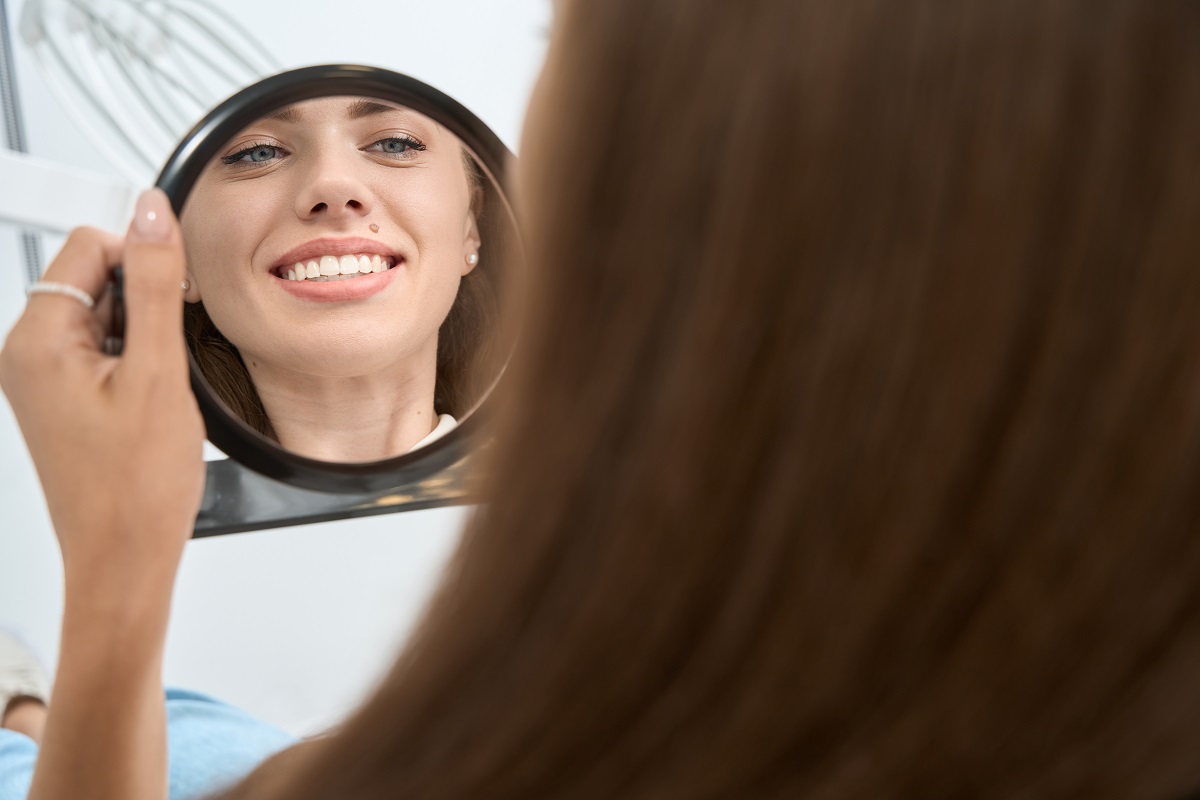
If you live in Roswell, you may already be diligent about brushing twice daily, choosing whitening toothpaste, and limiting sugary foods—yet your teeth still look yellow in the mirror. Many patients share this concern during routine visits, especially before local events, job interviews, or family photos, when they want their smile to look its best.
Tooth discoloration can feel confusing and frustrating because brushing is supposed to keep teeth clean and bright. The truth is, brushing alone doesn’t always address the underlying causes of yellowing. Understanding what’s actually happening beneath the surface can help you choose the right solution and avoid wasting time or money on ineffective fixes.
Is it normal for teeth to look yellow after brushing?
Yellow teeth after brushing usually result from enamel thinning, staining foods, genetics, or tartar buildup, not poor hygiene. Brushing cleans surface plaque but cannot change tooth color or remove deep stains. Professional cleaning or whitening treatments are often needed to restore brightness safely and effectively.
Why Teeth Can Stay Yellow Despite Brushing
1. Enamel Thickness and Natural Tooth Color
Tooth enamel is translucent. Beneath it lies dentin, which is naturally yellow. Some people simply have thinner enamel genetically, making dentin more visible even when teeth are perfectly clean.
2. Staining From Diet and Habits
Common culprits include:
-
Coffee and tea
-
Red wine
-
Dark sodas
-
Tobacco use
-
Tomato-based sauces
These pigments attach to enamel proteins and accumulate gradually. Brushing removes plaque but often cannot eliminate embedded chromogens.
3. Tartar Buildup
When plaque hardens into tartar, it forms a yellow or brown layer that cannot be removed with a toothbrush. Only professional scaling can eliminate it.
4. Aging Effects
As people age:
-
Enamel wears down
-
Dentin thickens
-
Stains accumulate
This combination naturally darkens teeth over time.
Brushing Mistakes That Can Make Teeth Look More Yellow
Even patients with good intentions may unknowingly reduce whitening results.
Common technique issues
-
Brushing too hard (wears enamel)
-
Using a hard-bristle brush
-
Brushing for less than two minutes
-
Skipping flossing
According to the American Dental Association, gentle brushing with a soft brush and fluoride toothpaste is most effective for maintaining enamel health and preventing discoloration.
When Yellow Teeth Signal Something More
Persistent discoloration can sometimes indicate:
-
Enamel erosion from acid reflux or acidic drinks
-
Medication-related staining (e.g., tetracycline exposure in childhood)
-
Fluorosis from excessive fluoride during development
-
Early decay spots
If color changes appear suddenly or unevenly, evaluation is recommended to rule out underlying conditions.
Professional Solutions That Actually Work
If brushing isn’t improving color, targeted treatments may help.
Professional Cleaning
Removes tartar and surface stains that brushing cannot.
Whitening Treatments
Options include:
-
In-office bleaching
-
Custom take-home trays
-
Medical-grade whitening gels
These penetrate enamel safely to break down stain molecules.
Cosmetic Enhancements
For intrinsic discoloration or enamel irregularities, a professional evaluation can help identify the underlying cause and determine the most effective treatment approach.
-
A local cosmetic dentist can assess deeper or internal staining.
-
A clinical evaluation helps determine whether whitening or restorative options are more appropriate.
-
In some cases, veneers may be recommended as a long-lasting solution when discoloration does not respond to whitening.
At-Home Remedies: What Helps vs. What Doesn’t
May help slightly
-
Whitening toothpaste with mild abrasives
-
Baking soda occasionally
-
Electric toothbrushes
Avoid
-
Lemon juice or charcoal scrubs (can erode enamel)
-
Frequent DIY acid-based remedies
-
Excessive brushing pressure
Evidence published in peer-reviewed dental journals consistently shows that enamel erosion increases the yellow appearance because dentin becomes more visible.
Lifestyle Factors Common in Dry, Sunny Regions
Local climate and habits can influence tooth shade:
-
Dry air may contribute to mild dehydration, reducing saliva that normally washes away stain particles.
-
High sunlight exposure increases awareness of discoloration because bright light reflects the tooth tint more strongly.
-
Popular regional beverages like strong coffee or iced tea can contribute to staining if consumed frequently.
How to Prevent Further Yellowing
Adopt these dentist-recommended strategies:
-
Brush twice daily with fluoride toothpaste
-
Floss once daily
-
Drink staining beverages through a straw
-
Rinse mouth after dark drinks
-
Schedule cleanings every 6 months
-
Quit tobacco use
Consistency matters more than intensity. Gentle, regular care preserves enamel and maintains natural brightness.
When to See a Dentist About Tooth Color
Schedule an evaluation if:
-
Yellowing persists despite good hygiene
-
You notice dark spots or streaks
-
Teeth look dull or translucent
-
Whitening products cause sensitivity
-
Color changes quickly
Early assessment ensures the right treatment plan and prevents unnecessary damage from trial-and-error remedies.
Final Thoughts
Yellow teeth after brushing are common and usually harmless, but they can affect confidence and self-image. The key is identifying whether the cause is surface staining, enamel characteristics, or something deeper. A personalized evaluation provides clarity and effective solutions tailored to your smile.
If you want expert guidance and safe whitening options, consider scheduling a consultation with Maupin & Brown Dentistry to explore professional treatments designed for lasting, natural-looking results.
FAQ: Yellow Teeth After Brushing
Why are my teeth yellow even though I brush twice a day?
Brushing removes plaque but cannot change natural tooth color, dentin shade, or deep stains.
Can genetics cause yellow teeth?
Yes. Enamel thickness and dentin tone are inherited traits that influence tooth color.
Does whitening toothpaste actually work?
It can remove surface stains but does not bleach teeth or change intrinsic color.
How long do professional whitening results last?
Typically 6 months to 2 years, depending on diet, habits, and oral hygiene.
Is yellowing always a sign of poor oral care?
No. Many people with excellent hygiene still have naturally darker enamel or genetic dentin shade.
What is the fastest safe way to whiten teeth?
Dentist-supervised whitening is the quickest and safest method because it uses controlled-strength agents.