
Blog Summary
Electric toothbrushes are increasingly popular with families, but many parents and adults still wonder if they truly make a difference. This guide explains how electric toothbrushes compare to manual options for kids and adults, when they may be most helpful, and how to choose the right type for different ages and routines. The goal is simple: better daily habits that support long-term oral health.
A Quick Note From Your Local Dental Team
At Maupin & Brown Dentistry, Dr. David Brown, Dr. Craig Paul, Dr. Tim Price, and Dr. Hannah Paul work with families every day to improve brushing habits at home, not just during checkups. Choosing the right toothbrush is one of the most common questions we hear from parents and adults alike. This guide is meant to help you make an informed, pressure-free decision.
Are Electric Toothbrushes Actually Better?
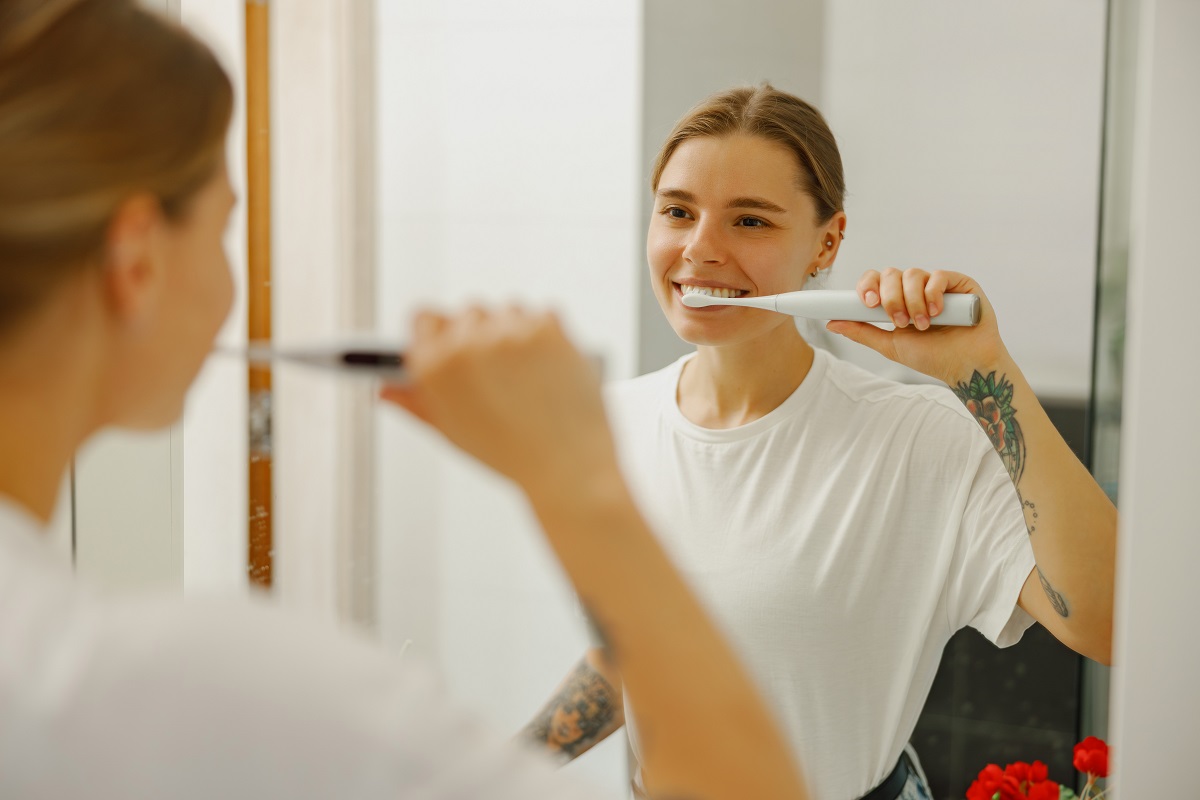
Electric toothbrushes are designed to do some of the work for you. Most models use oscillating, rotating, or vibrating motions that help disrupt plaque more efficiently than manual brushing when used correctly.
For many families seeking consistent dental care in Roswell, daily routines can get rushed; school mornings, work schedules, and evening activities all compete for attention. In these situations, electric toothbrushes can help improve brushing effectiveness, especially for people who struggle with technique or consistency.
That said, electric doesn’t automatically mean better for everyone. A manual toothbrush used properly for two minutes, twice a day, can still be very effective. The real difference often comes down to age, dexterity, and habits.
Benefits for Kids
Children often benefit the most from electric toothbrushes. Younger kids may lack the fine motor skills needed for proper manual brushing. Electric brushes simplify the process by providing steady motion and built-in timers that encourage brushing long enough.
For families in Roswell, NM, where busy school schedules and sports are part of daily life, these features can reduce nightly brushing battles. Many pediatric-friendly models also include soft bristles and smaller brush heads designed for developing mouths.
Electric toothbrushes can also make brushing more engaging, which helps kids build habits that carry into adulthood.
Benefits for Teens and Adults
For teens wearing braces or adults with crowded teeth, electric toothbrushes can help reach areas that are harder to clean. Studies referenced by the American Dental Association show that certain electric toothbrushes can reduce plaque and gingivitis more effectively over time than manual brushing.
Adults with arthritis, limited mobility, or a history of gum issues may also find electric brushes easier to use. Many patients receiving family-focused dental care in the Roswell area choose electric toothbrushes for this reason, not because manual brushes fail, but because electric ones reduce effort.
Are electric toothbrushes better for kids and adults?
Electric toothbrushes can improve plaque removal and brushing consistency for both kids and adults, especially those with limited dexterity or inconsistent technique. However, a manual toothbrush used correctly can still be effective. The best choice is the one used properly, twice daily, with fluoride toothpaste.
What Patients Are Saying
“My visits to Brown & Maupin Dental are always a pleasure! The service is professional, accommodating, and efficient. I appreciate that I don’t have to wait long to be seen. The staff are informative, respectful, and make me feel at ease. I’m grateful for the excellent care they provide!”
— P. Hart
How to Choose the Right Toothbrush for Your Family
Here are practical tips supported by guidance from organizations like the ADA and CDC:
-
Look for soft bristles to protect enamel and gums
-
Choose age-appropriate brush heads, especially for kids
-
Use built-in timers to ensure two full minutes of brushing
-
Replace brush heads every 3 months or after illness
-
Pair brushing with flossing, regardless of brush type
Families in nearby communities such as Artesia or Dexter often ask if electric brushes are “required.” They aren’t, but they can be helpful tools when used consistently.
The Bottom Line
Electric toothbrushes can be a smart choice for many kids and adults, particularly when brushing technique or motivation is a challenge. Manual toothbrushes still work well when used correctly. The most important factor is daily consistency and proper technique, supported by regular dental visits.
Ready to Talk About Your Family’s Oral Care?
If you’re unsure which toothbrush is best for your child or yourself, the team at Maupin & Brown Dentistry is happy to help. A personalized recommendation during your next visit can make daily care easier and more effective. You can schedule an appointment or learn more.