
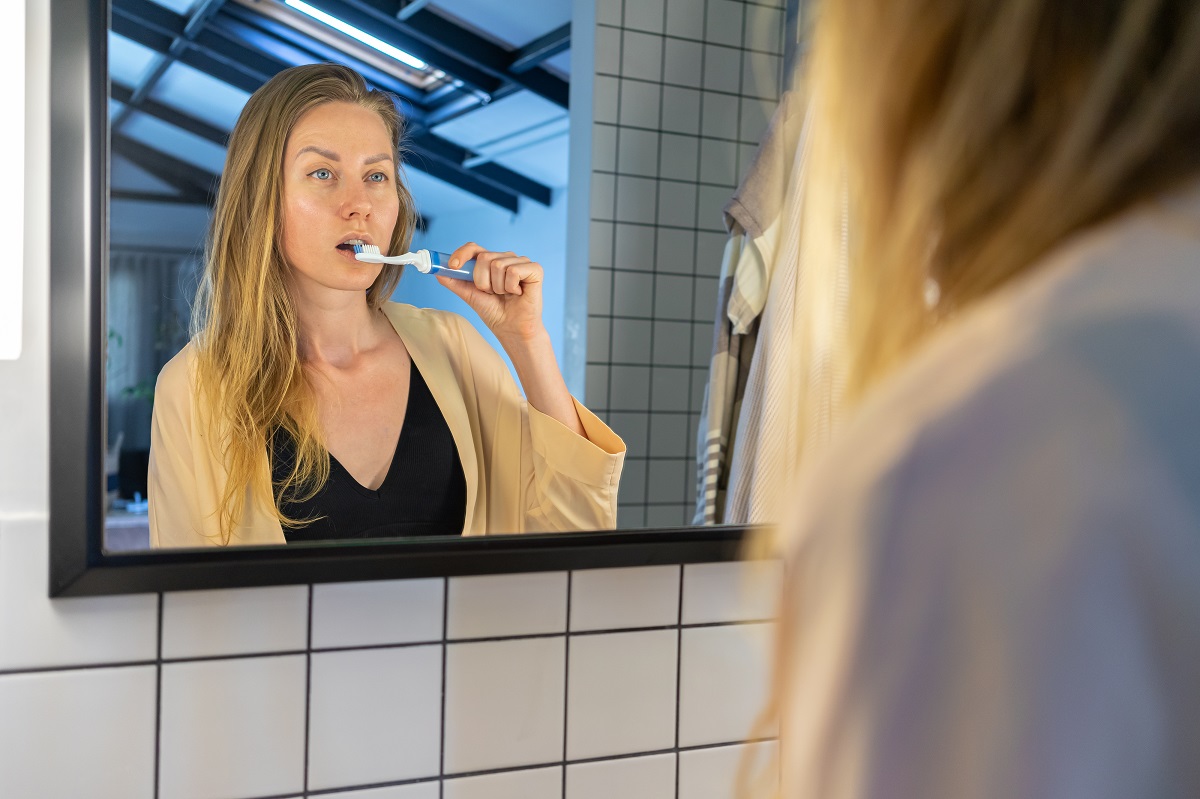
Standing in the oral care aisle can feel surprisingly overwhelming. Rows of toothbrushes line the shelves: soft, medium, electric, angled, charcoal-infused—and many patients in Roswell admit they simply grab whichever looks familiar. Some choose based on price, others on color, and many assume all brushes work the same. Unfortunately, the wrong choice can affect cleaning effectiveness, gum health, and even enamel protection.
Many families in the Roswell area visit their dental provider, unsure whether they’re using the right tool for daily care. Some notice bleeding gums, lingering plaque, or tooth sensitivity and wonder if their brush might be part of the problem. Understanding what actually matters when selecting a toothbrush can help you make a confident decision that supports long-term oral health.
Ready to Upgrade Your Oral Care Routine? Call Today!
Choosing the right toothbrush isn’t about picking the most expensive or trendiest option—it’s about selecting a brush that fits your mouth, brushing habits, and oral health needs. The correct toothbrush helps remove plaque efficiently, protects gums, and improves daily hygiene results. Patients in Roswell who use the right brush often notice cleaner teeth, fresher breath, and fewer dental concerns between checkups.
At Maupin & Brown Dentistry, our dentists—Dr. David Brown, Dr. Craig Paul, Dr. Tim Price, and Dr. Hannah Paul regularly guide patients through personalized hygiene recommendations. With extensive clinical experience and a patient-focused approach, they help individuals choose tools that match their oral condition, sensitivity level, and lifestyle. Let our experienced dental team help you select the best tools for a healthier smile—schedule your consultation today.
Why Your Toothbrush Choice Matters
The toothbrush you use directly affects how effectively plaque, bacteria, and food debris are removed. According to dental research from organizations such as the American Dental Association, consistent plaque removal is one of the most important factors in preventing cavities and gum disease.
A brush that’s too hard can irritate gums and wear enamel. One that’s too large may miss tight spaces. And a poorly designed head shape can leave plaque along the gumline. That’s why many Roswell dental professionals emphasize choosing a brush based on function—not marketing.
Bristle Type: Soft Is Usually Best
Most patients benefit from soft bristles. They are gentle on gums yet effective at removing plaque when used correctly. Medium or hard bristles may seem like they clean better, but they can actually cause:
-
Gum recession
-
Tooth sensitivity
-
Enamel abrasion
Local oral health providers often recommend soft bristles for daily use unless a dental professional suggests otherwise for specific conditions.
Manual vs. Electric Toothbrushes
Both types can work well when used properly. The best option depends on your needs and habits.
Manual Brushes
-
Affordable and easy to replace
-
Lightweight and travel-friendly
-
Effective with proper technique
Electric Brushes
-
Built-in timers improve brushing duration
-
Oscillating heads can enhance plaque removal
-
Helpful for patients with limited dexterity
Many patients consulting a Roswell oral health specialist find electric brushes especially useful if they struggle with brushing technique or consistency.
Head Size and Shape
A toothbrush head should comfortably reach all areas of your mouth, including back molars. Smaller heads are often recommended because they allow better access to tight spaces and the gumline.
For children or adults with smaller mouths, compact heads are usually the most practical. Larger heads may feel efficient but often miss hard-to-reach spots.
Handle Design and Grip
Handle comfort is frequently overlooked. A good toothbrush should feel secure and easy to control. Non-slip grips or ergonomic shapes can make brushing more effective, especially for:
-
Seniors
-
Children
-
Patients with arthritis or mobility challenges
Dental teams in Roswell often remind patients that comfort encourages consistency—and consistency is key to oral health.
Special Features: Do They Matter?
Some toothbrushes include extra features like angled bristles, polishing cups, or charcoal-infused fibers. While these can be helpful in certain cases, they aren’t essential for everyone.
What matters most:
-
Soft bristles
-
Proper brushing technique
-
Brushing twice daily for two minutes
If you’re unsure whether specialty brushes would benefit you, a Roswell dental clinic can evaluate your needs and recommend specific options.
When to Replace Your Toothbrush
Even the best toothbrush won’t work well forever. Worn bristles lose effectiveness and can harbor bacteria.
Replace your toothbrush:
-
Every 3–4 months
-
After illness
-
When bristles appear frayed
Regular replacement ensures consistent cleaning performance.
Choosing the Right Brush for Specific Needs
Different oral conditions may require different brushes.
Sensitive Teeth
Ultra-soft bristles and gentle pressure help prevent discomfort.
Braces or Orthodontic Appliances
Special orthodontic brushes or electric heads can clean around brackets more effectively.
Gum Disease Concerns
Soft or extra-soft bristles combined with gentle technique are typically recommended by a local dentist.
Common Mistakes People Make When Buying a Toothbrush
Patients frequently assume all brushes perform equally. In reality, these mistakes can reduce cleaning effectiveness:
-
Choosing hard bristles for “stronger cleaning.”
-
Buying oversized brush heads
-
Keeping a toothbrush too long
-
Selecting based on appearance instead of function
Correcting these habits often leads to noticeable improvements in oral health. Using the wrong brush can leave bacteria behind, which sometimes leads to ongoing odor concerns. Understanding the causes can help you address them early and learn what might be causing lingering breath issues.
How Technique Matters More Than Brand
Even the highest-quality toothbrush won’t help if used incorrectly. Proper brushing should involve:
-
Gentle circular motions
-
Angling bristles toward the gumline
-
Brushing for two full minutes
-
Cleaning all tooth surfaces
Your brushing method plays a bigger role than brand name or price.
Thank you for taking the time to learn how to select the right toothbrush for your needs. Making an informed choice can significantly improve your daily oral care routine and help protect your teeth and gums for years to come. If you’d like personalized recommendations or want to ensure your brushing routine is as effective as possible, the team at Maupin & Brown Dentistry is happy to help. Contact the office today to schedule an appointment or consultation and take the next step toward a healthier smile.
Frequently Asked Questions
1. What type of toothbrush do dentists usually recommend?
Most recommend soft-bristled toothbrushes because they clean effectively without damaging gums or enamel.
2. Are electric toothbrushes better than manual ones?
They can be more effective for some people, especially those who struggle with brushing technique or timing.
3. How often should I change my toothbrush?
Every three to four months, or sooner if bristles become worn.
4. Is a bigger toothbrush head better?
Not usually. Smaller heads allow better access to hard-to-reach areas.
5. Can the wrong toothbrush damage teeth?
Yes. Hard bristles or aggressive brushing can wear enamel and irritate gums.
6. Should children use different toothbrushes than adults?
Yes. Children benefit from smaller heads and softer bristles designed for their mouths.