
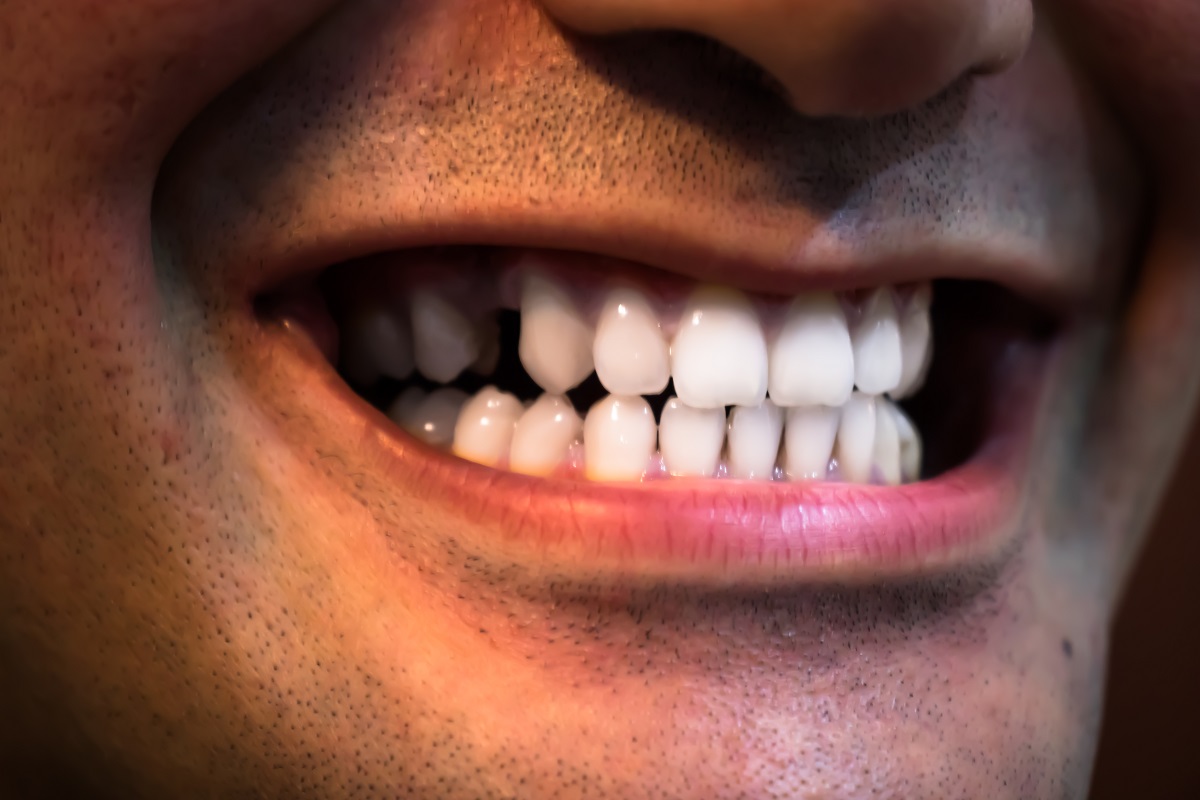
Losing a tooth can happen when you least expect it — during a weekend game at the Roswell Recreation Center, after biting into something too hard at a local restaurant, or following years of wear and tear. Many people in our community try to ignore the gap at first, hoping it won’t cause bigger issues. But over time, chewing becomes uneven, speech may shift slightly, and confidence can quietly decline.
In Roswell, where family photos, church gatherings, and community events are part of everyday life, a missing tooth can feel more noticeable than you anticipated. More importantly, it can affect your oral health in ways that aren’t immediately visible. Understanding your replacement options — and why implants are often recommended can help you make a confident, informed decision.
What Happens If You Don’t Replace a Lost Tooth?
A missing tooth is more than a cosmetic concern.
When a tooth is lost:
-
Adjacent teeth begin shifting into the empty space
-
Opposing teeth may over-erupt
-
Jawbone in that area begins to shrink (bone resorption)
-
Bite alignment can gradually change
According to the American Dental Association, untreated tooth loss can contribute to long-term oral health complications, including difficulty chewing and further tooth instability.
The jawbone depends on stimulation from tooth roots. Without that stimulation, the bone begins to deteriorate — sometimes within months.
Why Dental Implants Are Different
Traditional options like bridges and dentures replace the visible portion of a tooth. A dental implant replaces both the root and the crown.
A dental implant consists of:
-
A titanium post is placed in the jawbone
-
A connector (abutment)
-
A custom-made crown
Titanium naturally fuses with bone through a process called osseointegration. This creates a stable foundation that functions like a natural tooth.
Unlike bridges, implants do not require reshaping adjacent teeth. Unlike removable dentures, they do not shift or rely on adhesives.
What Is the Best Option After Losing a Tooth?
The best long-term solution for most healthy adults who lose a tooth is a dental implant because it:
-
Replaces the root and crown
-
Prevents bone loss
-
Protects surrounding teeth
-
Restores full chewing ability
-
Functions like a natural tooth
While every case should be evaluated individually, implants are widely considered the most complete replacement option when jawbone health allows.
Are Dental Implants Painful?
One of the most common concerns we hear is about discomfort.
Modern implant placement uses precise, minimally invasive techniques. The area is thoroughly numbed, and many patients compare the experience to a routine extraction. Mild soreness afterward is normal, but most individuals require minimal pain medication.
For patients who feel anxious, sedation options are available to help them remain comfortable throughout the procedure.
How Implants Protect Your Long-Term Oral Health
Dental implants offer structural benefits that other solutions cannot fully replicate.
1. Bone Preservation
Peer-reviewed studies in journals such as the Journal of Oral Implantology show that implants help maintain bone density by stimulating the jawbone, much like natural tooth roots.
2. Stability
Implants remain fixed in place. There is no slipping, clicking, or removal for cleaning.
3. Longevity
With proper oral hygiene and routine dental visits, implants can last decades. Many remain functional for a lifetime.
4. Natural Function
Chewing power is restored close to natural levels, allowing patients to enjoy a full range of foods again.
For those researching dental implants near them, understanding these long-term benefits is often the turning point in choosing treatment.
Who Is a Candidate for Dental Implants?
Most adults with:
-
Healthy gums
-
Adequate bone volume
-
Controlled medical conditions
are potential candidates.
Even if bone loss has occurred, procedures such as bone grafting may help prepare the area for implant placement. A consultation and imaging evaluation determine the best path forward.
Patients searching for dental implants often discover that they qualify even if they initially assumed they did not.
Comparing Implants to Other Options
Dental Bridge
-
Requires reshaping neighboring teeth
-
Does not prevent bone loss
-
Typically lasts 10–15 years
Removable Denture
-
Rests on gums
-
May shift during speaking or eating
-
Requires removal for cleaning
Dental Implant
-
Independent of adjacent teeth
-
Preserves bone
-
Fixed in place
-
Long-lasting with proper care
When considering durability, function, and preservation of surrounding structures, implants consistently stand out.
Why Experience and Technique Matter
Implant placement requires careful planning, imaging, and precision. At Maupin & Brown Dentistry, Dr. Brown has placed thousands of implants, using modern techniques designed to support comfort and predictable outcomes.
Careful diagnosis, detailed treatment planning, and follow-up care are essential components of successful implant therapy.
Taking the Next Step After Tooth Loss
Losing a tooth doesn’t mean living with discomfort, shifting teeth, or long-term complications. Modern implant dentistry provides a predictable, durable solution that restores function and protects your oral health.
If you’ve recently lost a tooth — or have been postponing treatment — schedule a consultation with Maupin & Brown Dentistry. We’ll evaluate your situation, clearly explain your options, and help you determine whether a dental implant is right for you.
Book your consultation and take the first step toward restoring stability and confidence.
Frequently Asked Questions
How long does the dental implant process take?
The full process can take several months due to healing and osseointegration. However, timelines vary based on individual healing and treatment needs.
Can smokers get dental implants?
Smoking increases the risk of implant complications. Patients are strongly encouraged to quit or reduce smoking before and after placement.
How do I care for a dental implant?
Care is similar to a natural tooth: brushing twice daily, flossing, and regular dental visits.
Will insurance cover dental implants?
Coverage varies by plan. Many offices provide financing options or phased treatment plans.
What happens if I wait too long?
Prolonged tooth loss can result in bone shrinkage, potentially requiring additional procedures before implant placement.